













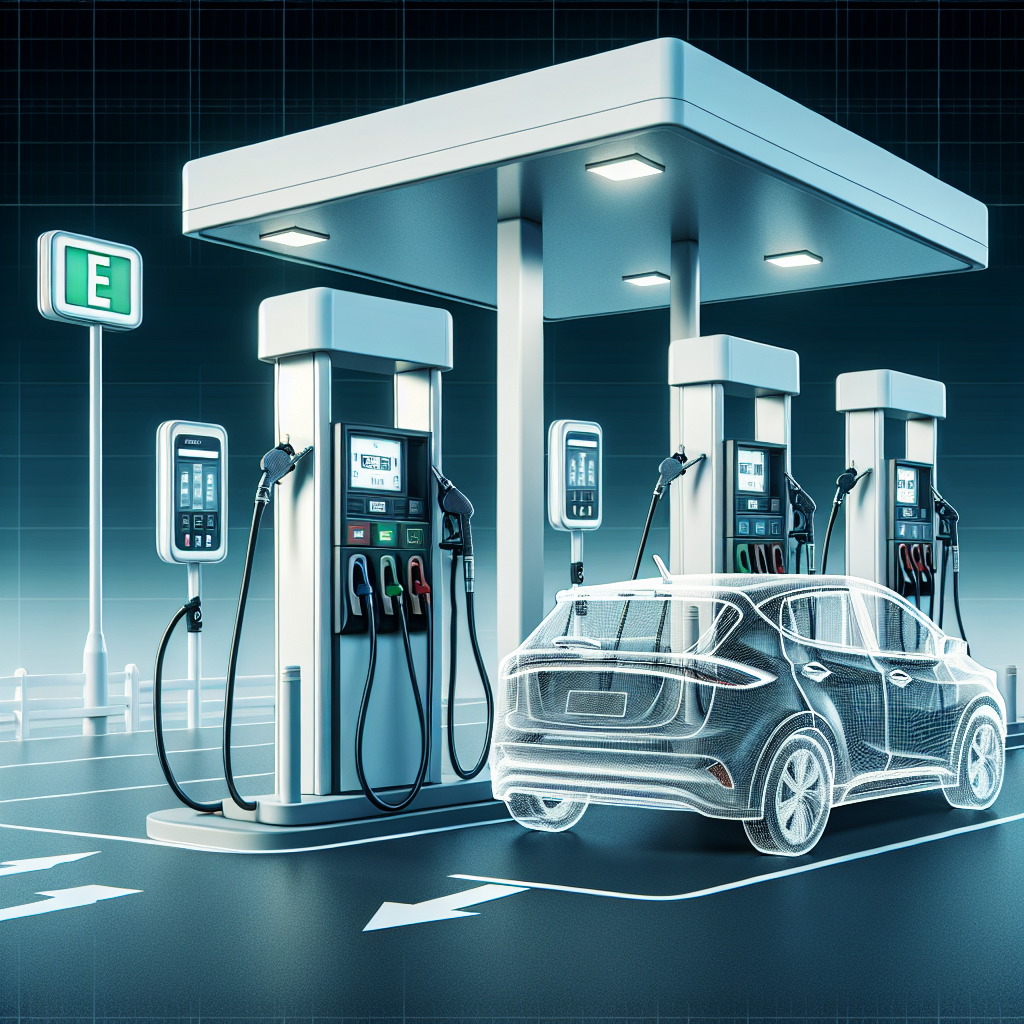
เบนซิน is a fundamental component of the modern transportation system, and its significance spans a wide range of industries and personal lives. In this first section, we will delve into what เบนซิน is, how it is produced, and its impact on our environment, economy, and daily activities.เบนซิน is a refined product derived from crude oil, primarily used as a fuel for internal combustion engines in cars, motorcycles, and various machinery. It consists mainly of hydrocarbons and is known for its efficiency in power generation. The process of obtaining เบนซิน begins with the distillation of crude oil. The crude oil is heated in a distillation tower, where the different components are separated based on their boiling points. As a result, lighter hydrocarbons vaporize and condense at lower temperatures, allowing for the extraction of เบนซิน.In recent years, the demand for เบนซิน has been closely tied to the global economy. Increased transportation needs for both goods and people translate to higher consumption rates of เบนซิน. However, this high demand raises significant environmental concerns. The combustion of เบนซิน releases carbon dioxide and other pollutants into the atmosphere, contributing to global warming and air quality deterioration.Moreover, as urbanization continues to expand, car dependency grows, creating a positive feedback loop where more vehicles lead to greater เบนซิน consumption, further impacting the environment. Thus, understanding the role of เบนซิน in pollution is crucial for future policy-making and environmental preservation.Several alternatives to traditional เบนซิน fuel are already being explored. Electric vehicles (EVs), for instance, are becoming increasingly popular as they offer a more environmentally friendly option. The shift towards alternative fuels indicates a significant movement towards sustainability in transportation.In different parts of the world, the prices of เบนซิน fluctuate dramatically. Factors contributing to these price variations include crude oil prices, geopolitical tensions, and supply Chain disruptions. For many individuals, the cost of เบนซิน directly influences their daily lives and spending habits. Higher prices often lead to changes in driving behavior, such as carpooling or using public transportation, showcasing how deeply integrated เบนซิน is in our day-to-day choices.In summary, เบนซิน not only powers our vehicles but also plays a pivotal role in our economy and environment. With the ongoing transition towards sustainable energy, understanding the complexities of เบนซิน usage is more critical than ever. As we further explore this topic, the subsequent section will discuss how individuals and industries are adapting to changes in the เบนซิน landscape, particularly focusing on innovations and consumer behavior in response to rising fuel costs.
In this second section, we will explore the innovations and strategies being adopted to address the challenges posed by rising เบนซิน costs and the environmental impacts stemming from its combustion. One of the most significant technological advancements aimed at reducing reliance on เบนซิน is the development of more efficient engines. Modern vehicles are now equipped with advanced engine technologies that optimize fuel consumption and reduce emissions. This innovation not only conserves เบนซิน but also minimizes the overall carbon footprint.Moreover, the rise of hybrid and plug-in hybrid vehicles marks a substantial shift in the automotive industry. These vehicles utilize a combination of conventional เบนซิน engines and electric power, allowing for a reduction in fuel consumption and greenhouse gas emissions. Consumers who invest in these vehicles often report not only savings on fuel costs but also benefits from governmental incentives aimed at promoting cleaner transportation options.The impact of เบนซิน on the economy has prompted significant research and development initiatives focusing on biofuels and alternative energy sources. Biofuels derived from organic materials present a viable alternative to traditional เบนซิน, as they potentially reduce greenhouse gas emissions and reliance on fossil fuels. Countries around the globe are exploring the scalability of these eco-friendly options to address both economic and environmental concerns.In addition to technological advancements, consumer behavior is evolving in response to the fluctuating prices of เบนซิน. Increased awareness of environmental issues and the economic pressures of high fuel prices have led many consumers to reconsider their transportation choices. Car-sharing services and public transit usage have seen significant growth, as individuals weigh the costs and benefits of personal vehicle ownership against communal transportation options.Furthermore, electric scooters and bicycles are gaining traction in urban areas as affordable, eco-friendly means of transportation that help reduce the dependence on เบนซิน. This cultural shift signals a broader acceptance of alternative transportation methods that prioritize sustainability over convenience.In recognition of the need for broader systemic changes, government policies are increasingly focused on integrating sustainable alternatives to เบนซิน into public transportation and infrastructure planning. Incentives for electric vehicle purchases and investments in charging infrastructure aim to foster a transition away from เบนซิน reliance. These measures reflect an understanding that the future of mobility cannot solely depend on a finite resource like เบนซิน.In conclusion, the landscape surrounding เบนซิน is experiencing significant changes driven by technological innovations, consumer behavior shifts, and policy interventions. These developments not only influence the way we approach transportation but also enhance awareness about our environmental responsibilities. In the final section, we will summarize key takeaways from this exploration and discuss the potential future of เบนซิน within the context of sustainable energy practices.
As we wrap up our exploration of เบนซิน, it is imperative to reflect on its multifaceted role in our lives and the ongoing transformations surrounding it. With the global emphasis on sustainability, the future of เบนซิน could very well be defined by balance—balancing economic needs with environmental responsibilities.The earlier sections highlighted the importance of เบนซิน as a key energy source in the transportation sector, and the innovative responses to combat the challenges posed by rising fuel costs and environmental degradation. However, to achieve a truly sustainable future, stakeholders across various sectors must collaborate to integrate renewable energy sources and enhance technological advancements.Developments such as the increased production of biofuels and the wider adoption of electric vehicles are not just trends—they represent a shift towards a more sustainable energy economy. Individuals, corporations, and governments play crucial roles in guiding this transition, and their actions today will shape the landscape of เบนซิน consumption for years to come.Moreover, public awareness and education about the ramifications of เบนซิน use can empower citizens to make informed decisions in their daily lives. A society that prioritizes conscious consumption and alternative transportation measures will likely find a more sustainable balance in managing its resources.As we look forward, the development of policies that promote clean energy options and support consumers in making greener choices will be essential. Investing in research, infrastructure, and public transportation can significantly reduce the pressure on traditional เบนซิน fuels while fostering innovation.In essence, เบนซิน is more than just a fuel; it embodies the intersection of economic growth, environmental challenges, and technological advancements. The next steps toward sustainability revolve around harnessing these elements in harmony. By adopting integrated strategies that encompass cleaner fuels, improved vehicle technologies, and effective policy frameworks, we can pave the way for a future where เบนซิน and its alternatives coexist to support a healthier planet.As we conclude our discourse on เบนซิน, it becomes clear that while it has been a driving force in the dynamics of our daily lives and economies, the journey towards a sustainable future has just begun. Let us embrace innovation and awareness as our guiding principles on this new path.