









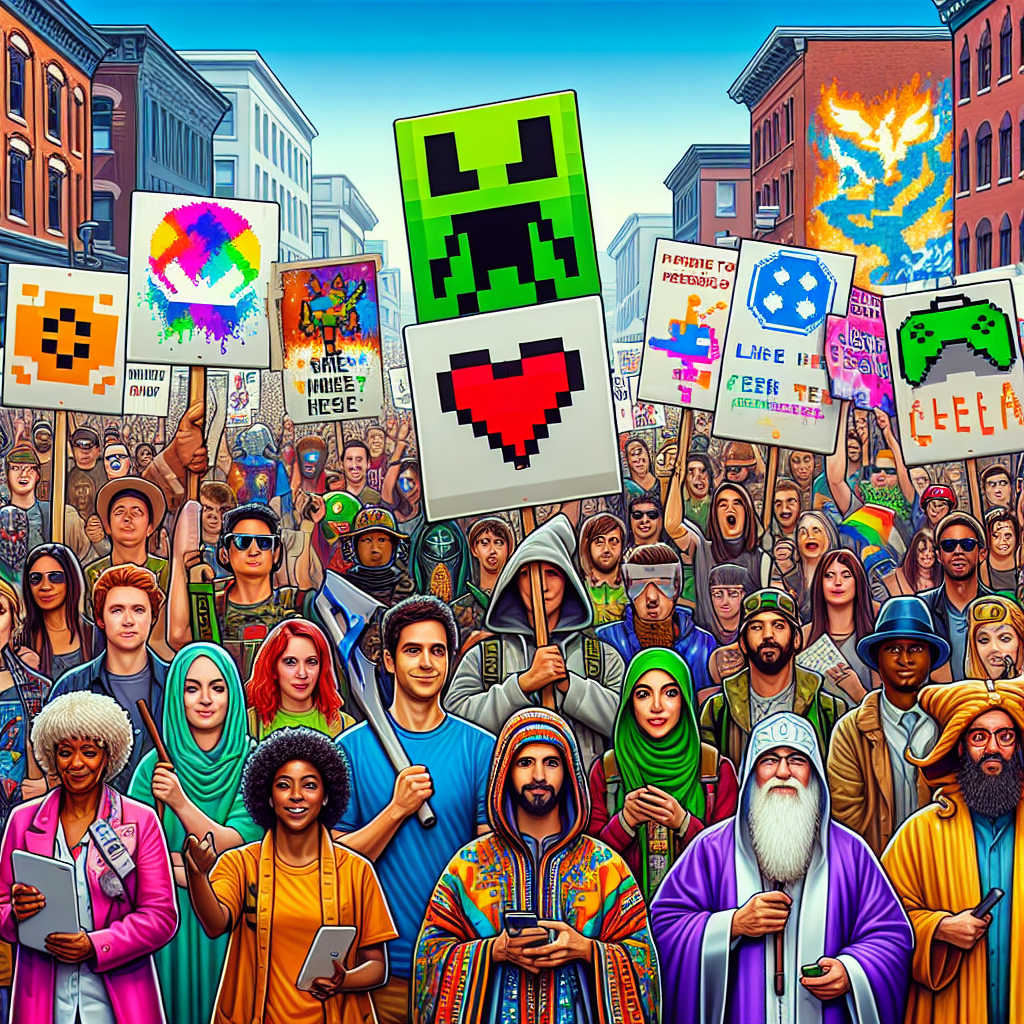
Introduction to RiotRiot is a term that has gained significant traction in recent years, resonating not only in the gaming community but also in social and political contexts. At its core, a riot represents a situation characterized by chaotic and uncontrolled behavior, often resulting from frustration and anger. The term can also be associated with the popular video game company, Riot Games, known for its flagship product, League of Legends. The influence of both meanings is widespread, making ‘riot’ a multifaceted concept worthy of exploration.Understanding Social RiotsSocial riots occur when a large group of people mobilizes in reaction to perceived injustices or grievances. These outbursts can be triggered by a variety of factors, from socio-political oppression to economic hardship. Throughout history, we have witnessed many instances where citizens took to the streets to express their discontent. The strategies used in such riots can range from peaceful protests to violent clashes, challenging authorities and bringing attention to relevant issues.The Role of Social Media in RiotsIn the modern age, social media has become a powerful tool in organizing and spreading awareness about riots. Platforms like Twitter and Facebook allow individuals to share live updates, mobilize participants, and raise awareness of the causes behind their actions. This accessibility inevitably leads to increased participation among the youth, driving movements that might not have gained attention otherwise. However, it also raises questions about misinformation and the potential for escalation, as poorly vetted information can incite further unrest.Gaming and Riot GamesOn the flip side, the term riot also has significant ties to the gaming industry. Riot Games, the brainchild behind the wildly popular League of Legends, has redefined competitive gaming. With its massive player base, the company not only champions exciting gameplay but also innovates in the realms of community-building and esports. The concept of “riot” here resonates with the fervor of competition and the emotional highs and lows that players experience in competitive play.Community Engagement Through GamingRiot Games has been successful in creating an engagement ecosystem where the community feels valued and influential. Players are often encouraged to partake in events and contribute to the storyline through feedback and community-driven projects. This sense of ownership fosters loyalty among players and leads to an environment where positive interactions overshadow negative ones. The company’s commitment to diversity and inclusivity further solidifies its reputation and broadens its appeal, keeping players engaged and satisfied.The Intersection of Gaming and Real-World RiotsInterestingly, one might observe parallels between riots in gaming communities and those in societal contexts. Players often express outrage over in-game policies, unbalanced game mechanics, or perceived injustices, leading to fervent discussions and even backlash against developers. Such occurrences mirror real-world protests where individuals voice their dissent against governing bodies. The shared concept of a riot thus becomes a platform for voicing grievances in both realms, highlighting the universal nature of protest.The Future of Riot in GamingAs we look ahead, the dynamics surrounding the term riot—both socially and in gaming—will continue to evolve. Fashioning a constructive avenue for expression is crucial to mitigating negative outcomes in both contexts. By fostering a culture of open dialogue, whether in streets or online lobbies, we can create safer spaces for discussion and progress. Ultimately, the understanding of riot must transcend beyond mere chaos and aggression into a narrative of human expression and the pursuit of justice.ConclusionIn summary, the term riot carries significance that spans across gaming and societal issues alike. As we engage with the concept, it becomes evident that understanding the root causes of riotous behavior allows us to empathize better with those involved. Whether through the lens of social protest or competitive gaming, we find a shared humanity that underlines the importance of voice and agency in our lives.Stay aware of what stirs up these emotions in both society and gaming. As players and people, our responsibility is to create constructive dialogues while striving for positive change.Final ThoughtsThe exploration of riot in this context reflects our age’s complexities. It reminds us that engagement and understanding are powerful tools, not only in achieving personal satisfaction in games but also in advocating for social justice.